
Huntersville Garage Door Guide
When an Older Door Is Worth Fixing in Huntersville
A look at when an older Huntersville garage door is worth repairing versus replacing, based on the area's 1980s-90s housing stock and cold-moderate climate.
- Licensed & Insured
- Same-Area Service Calls
- Upfront Pricing
The Problem
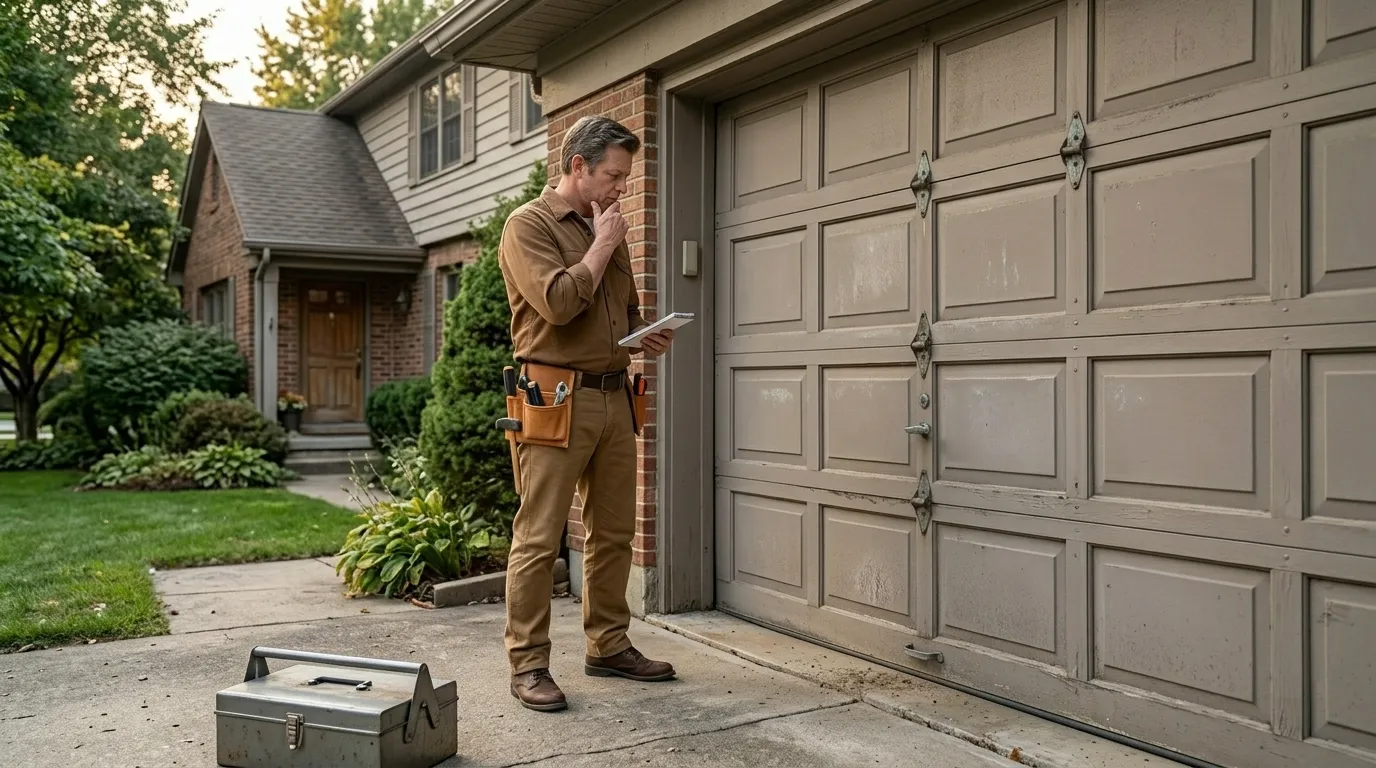
Most of the doors we get called out on here went in during the 1980s and 90s, back when this part of the county was filling in fast with new construction. A lot of those doors are past the point where the original torsion spring was rated to last - springs are built for a set number of open-close cycles, and a door that's been running twenty-plus years has usually used most of that up. The symptom is almost always the same: the door feels heavier than it used to, the opener strains on lift, or the spring finally lets go with a bang.
None of that means the door itself is junk. A steel panel from that era can easily outlast two or three openers and a couple of spring replacements if the track and hardware are still square. The real question isn't age on paper - it's whether the failure is in a part that's cheap to swap (spring, cable, roller) or in something structural (bent track, warped panel, rotted jamb) where labor to fix it starts to rival the cost of a new door.
What to Check
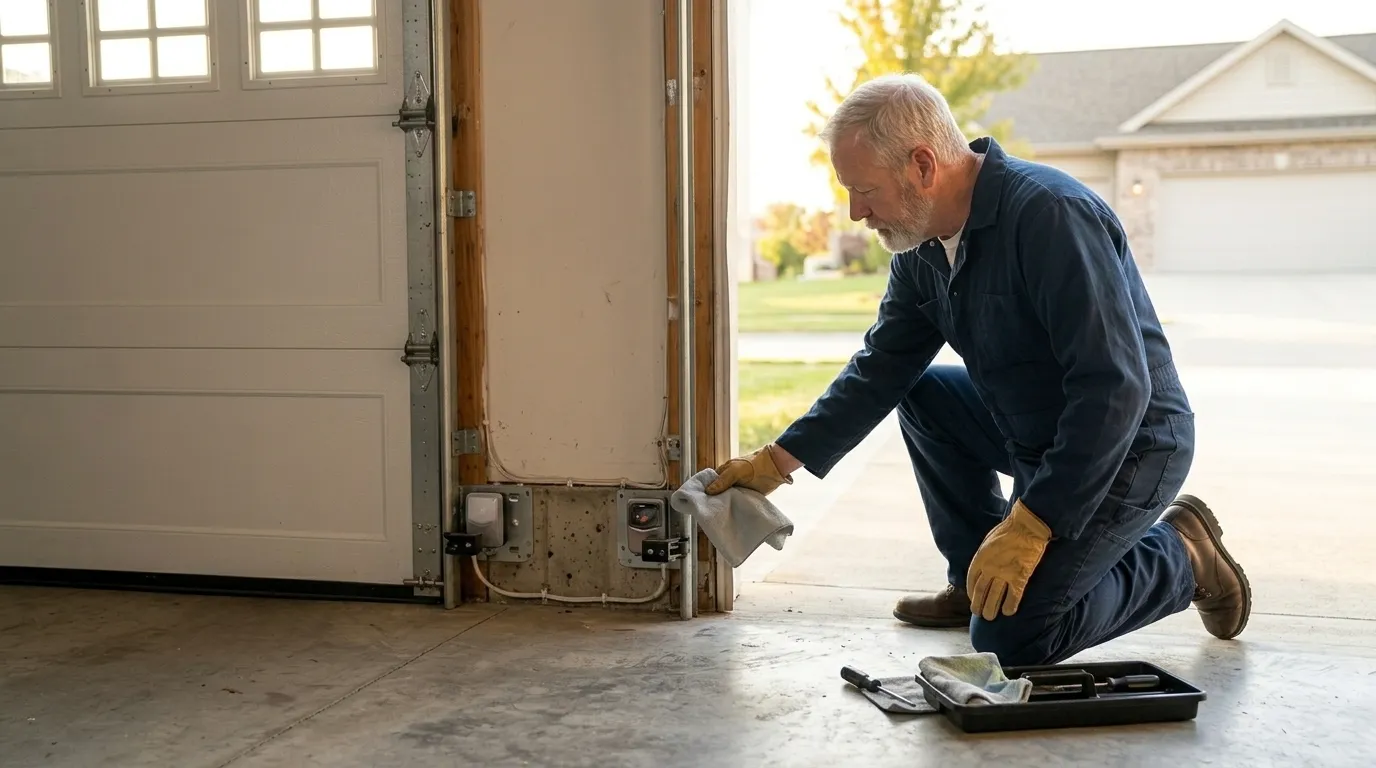
Start with the springs - rust pitting, gaps between the coils, or a spring that looks stretched compared to its mate on the other side. Next, run a hand along the track for dents or a spot where it's pulled away from the wall; a door built in 1997, which is close to the median age of housing here, often has a track that's flexed just enough over the years to throw the rollers off. Check the bottom panel for water staining or soft spots, especially on doors facing north where sun never dries the seal.
Look at the weatherstripping - cracked or flattened rubber lets in more than draft. Last, listen to the opener: grinding on the gear or a chain that slaps means it's near the end, but that's a different repair than the door itself. If the springs, track, and panels are sound and it's just the opener or the seal, that's a straightforward fix.
If you're looking at a warped panel and a bent track together, that's usually the point where a new door costs less than chasing parts for an old one.
What Local Conditions Do
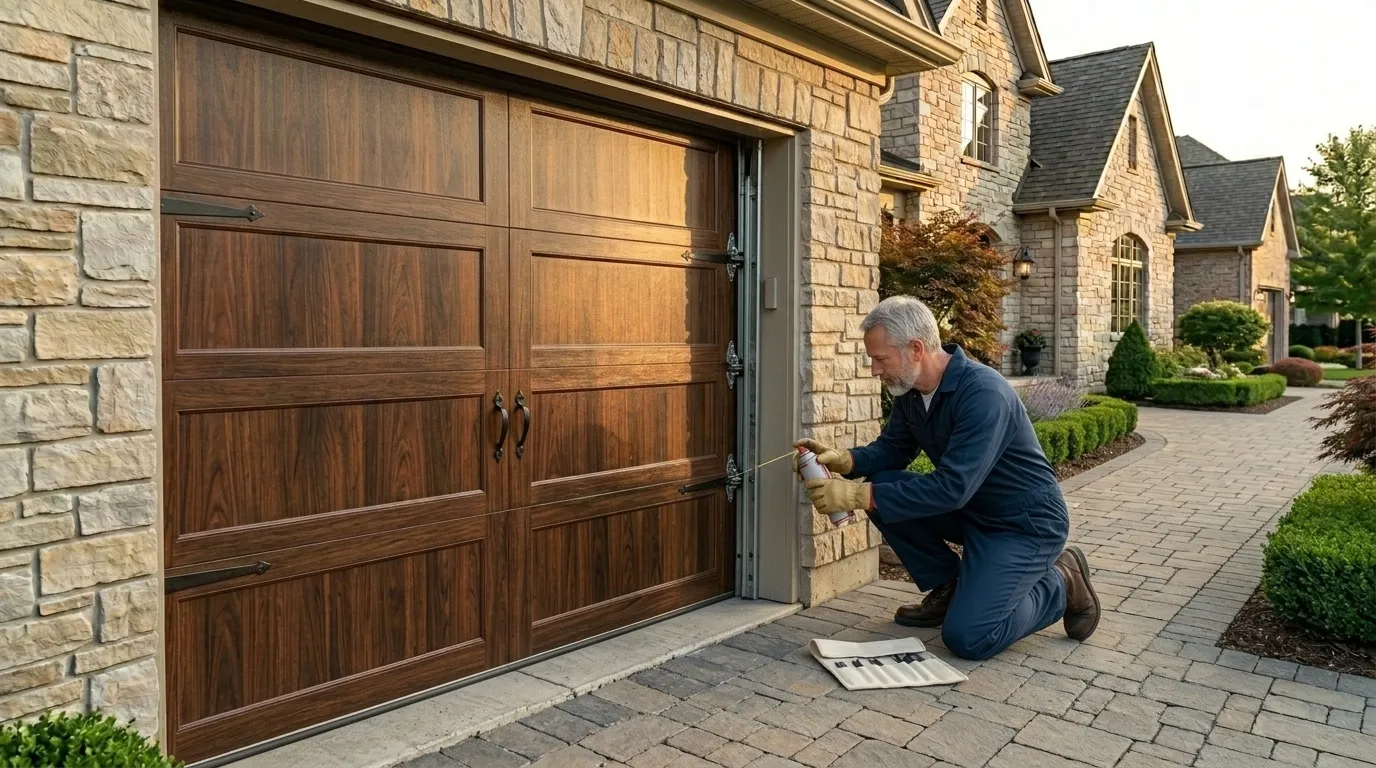
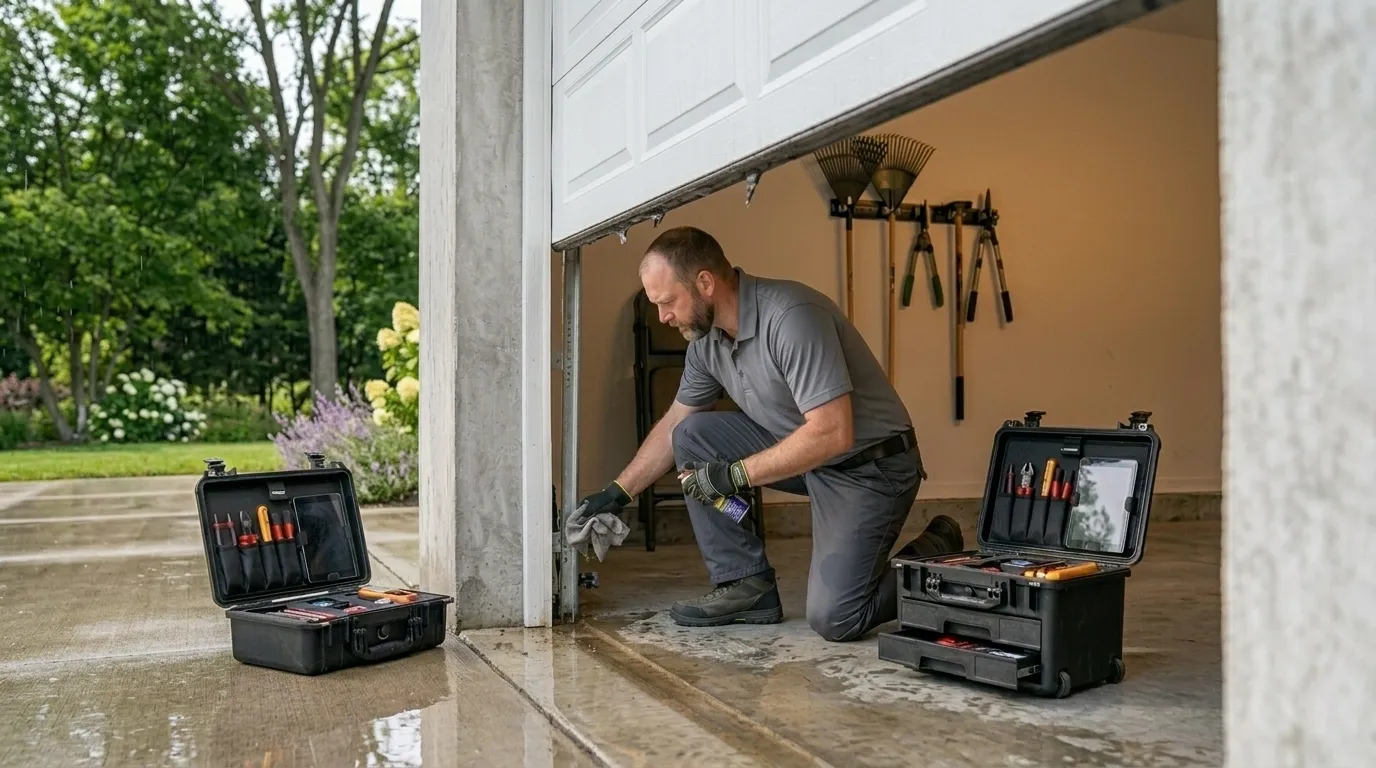
Huntersville sits in a cold-moderate band, not the deep-freeze country you get further north, so the wear pattern here leans toward fatigue and rust rather than springs snapping outright in a hard freeze. Steel expands and contracts with the swings between a cold January morning and a mild afternoon, and over enough years that cycle works screws loose in the track brackets and dries out lubricant faster than owners expect. Humidity swings do the rest - condensation on a cold door skin in a warm garage promotes rust at the bottom corners and around hinges, which is where we see it first on doors from that 1980s-90s wave of construction.
None of this is dramatic weather damage; it's slow wear that adds up. It also means a door that's been kept lubricated and adjusted can hold up well past what you'd expect in a harsher climate, which is part of why so many original doors from that era are still repairable rather than write-offs.
Season by Season
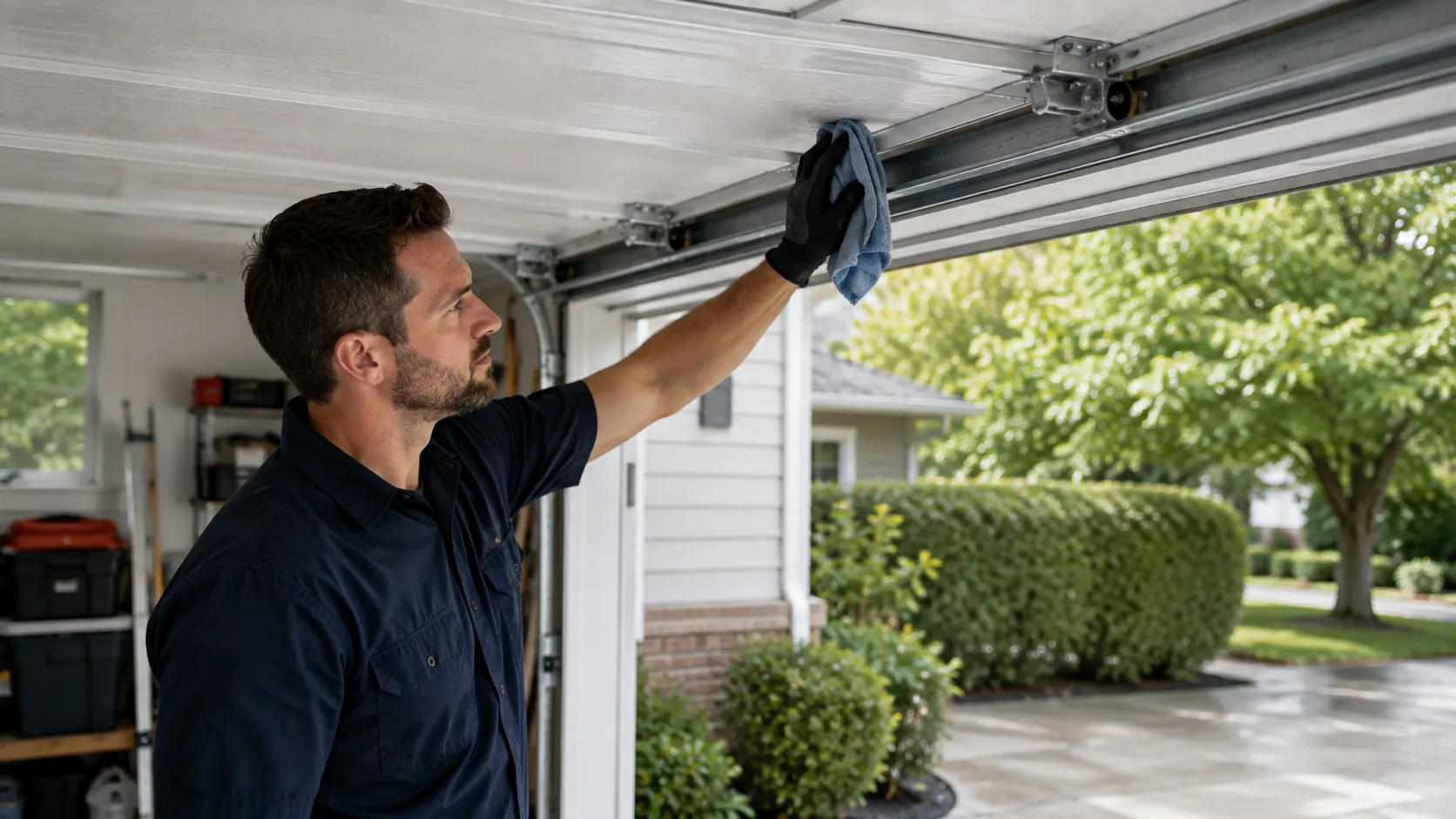
Winter cold snaps are when a tired spring is most likely to go, since cold steel is less forgiving under load - that's the season to have it checked if it's making noise. Spring brings the humidity back up, and that's when swollen wood trim or a sticking track shows up on older doors, especially ones that sat through a damp winter without a seal check. Summer heat doesn't do much damage on its own here, but it's a good window to get lubrication and adjustment done before the next cold stretch.
Fall is the practical time to check weatherstripping and rollers, since Huntersville's owner-occupied housing - a good share of it built in that 1967 to 2011 stretch - tends to have doors sized and sprung for the lighter panels common in the 1990s, and a fall check catches a mismatched or worn spring before winter forces the issue. One limitation worth saying plainly: we don't stock parts for every discontinued panel style from that era, and on some of the oldest doors a matching replacement panel just isn't available, which can tip the repair-versus-replace decision on its own.
How We Can Help
Garage Door Repair
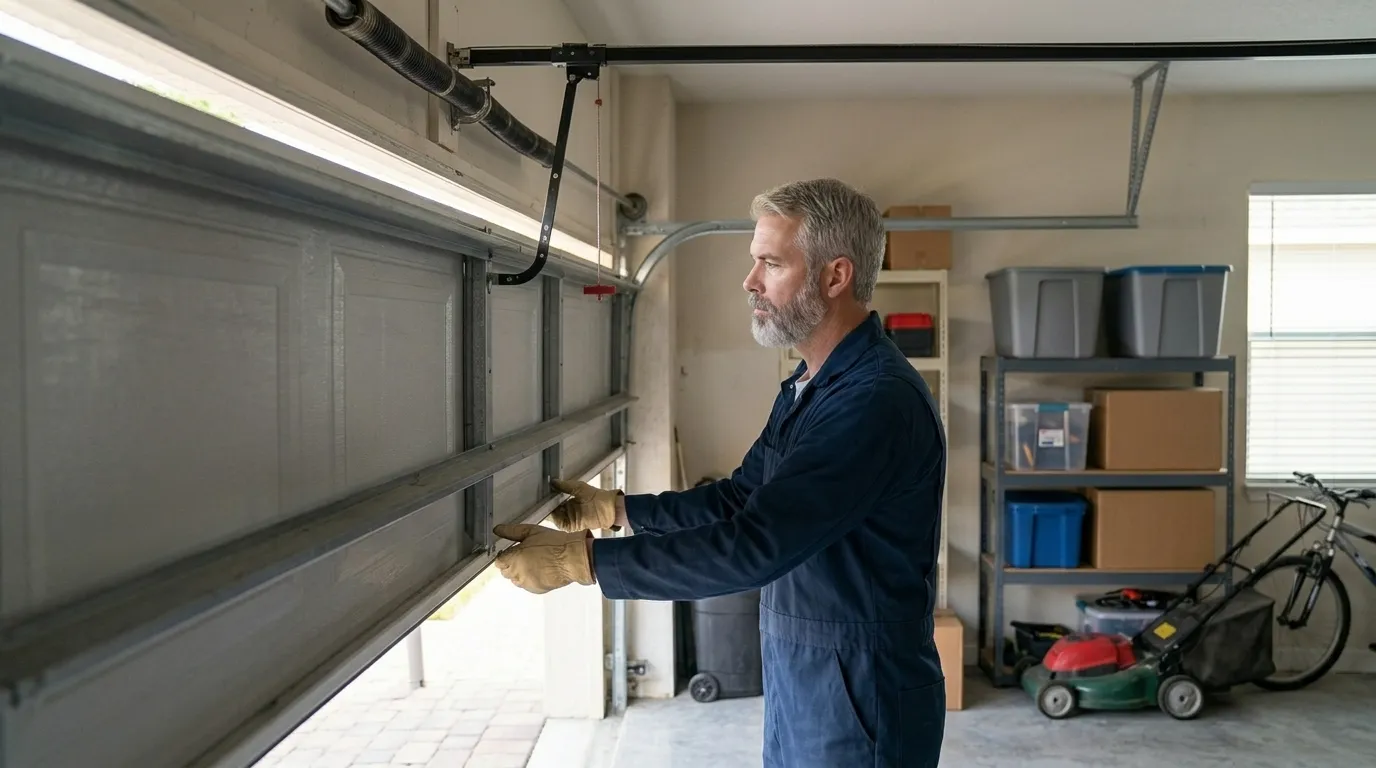
Springs, cables, tracks, rollers, and openers fixed by a tech who explains the problem before touching anything.
Learn more →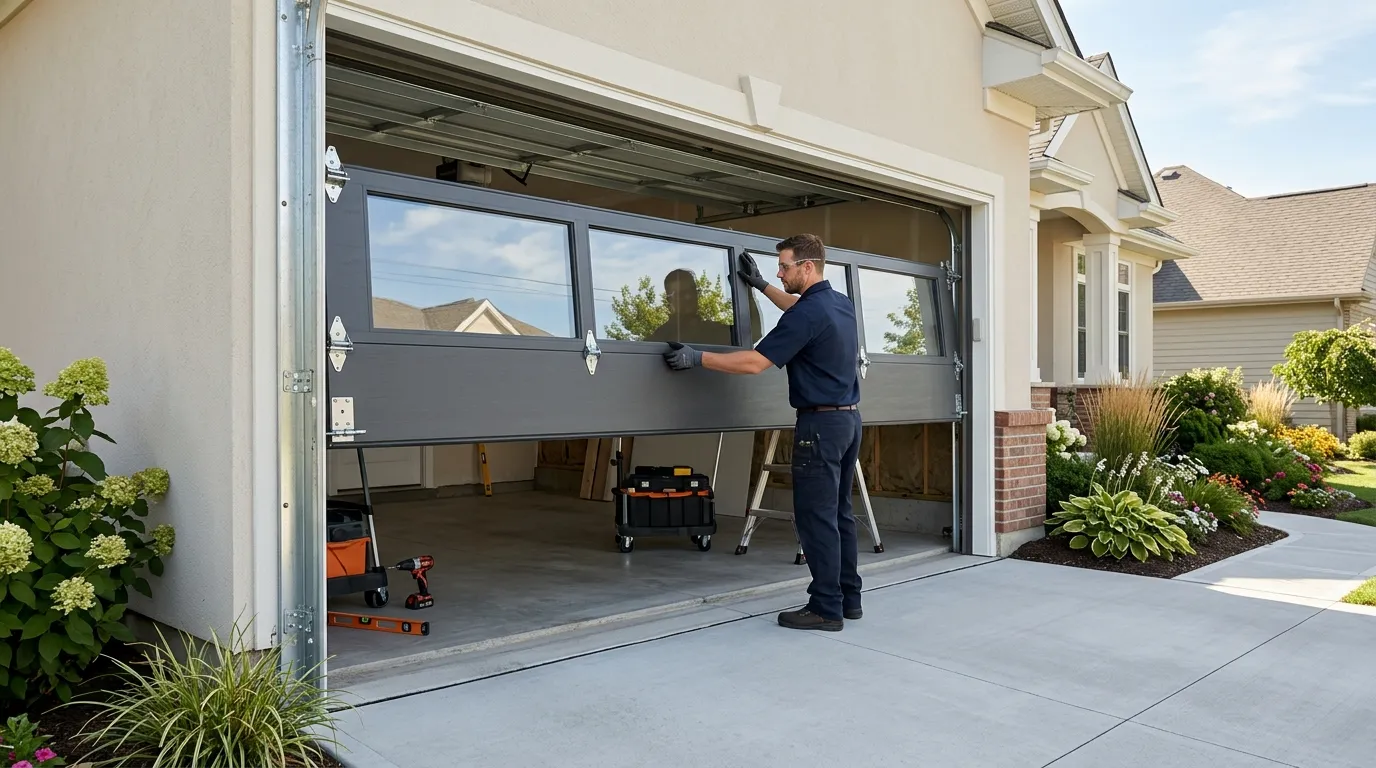
Garage Door Installation
New sectional doors sized and installed for the housing stock actually built in this area.
Learn more →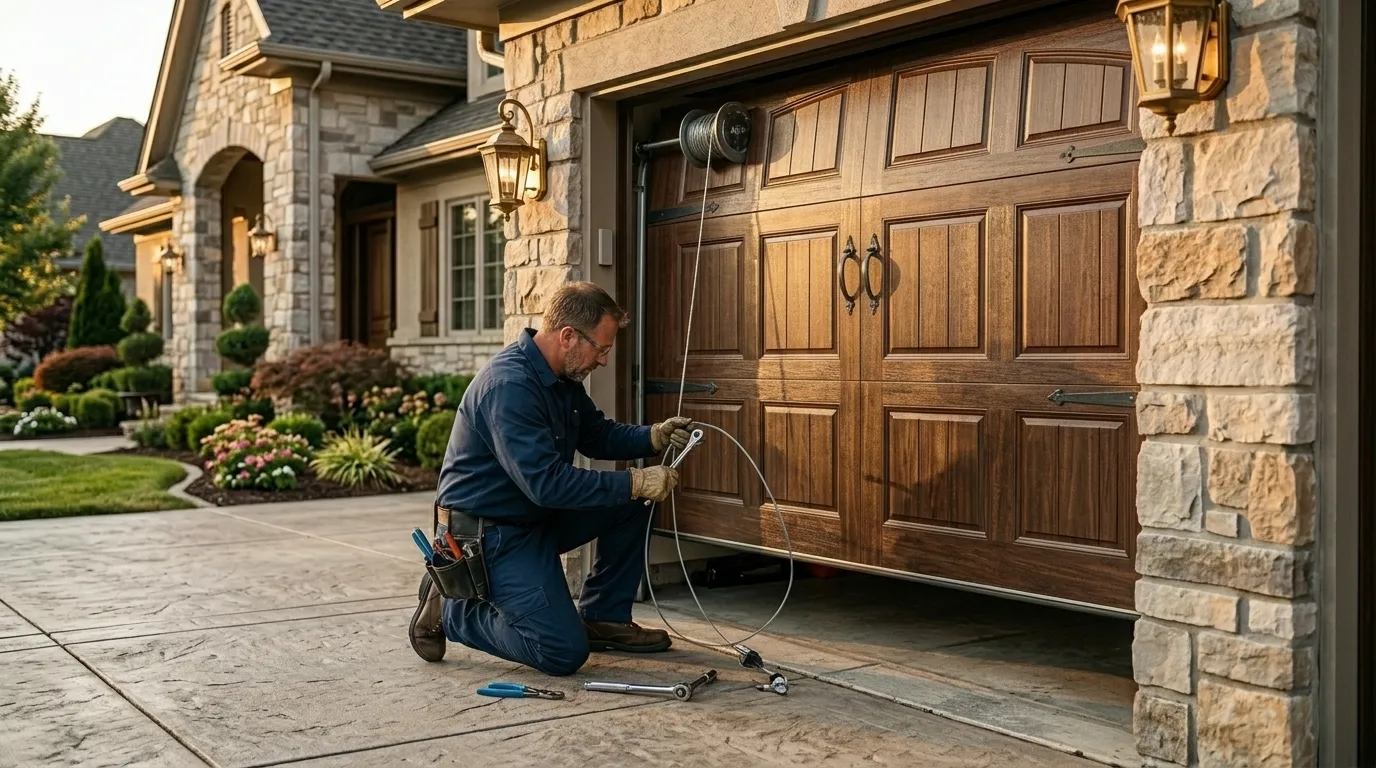
Garage Door Service
Tune-ups, lubrication, and safety checks that catch a small problem before it becomes a service call.
Learn more →Frequently Asked Questions
How do I know if my garage door spring is original to the house?
If your house was built in the 1980s or 90s and the spring has never been replaced, it's likely original and well past its rated cycle count. Rust, visible gaps between coils, or a door that suddenly feels heavier to lift by hand are the usual signs it's due.
Is it worth replacing just the opener on an older door?
Often yes, if the track, springs, and panels are still sound. A worn opener is a separate problem from a worn door, and replacing just the opener is usually the cheaper fix when the rest of the hardware checks out.
Does Huntersville's climate mean I need special maintenance?
The cold-moderate swings here mean steel doors go through more expansion and contraction than in a milder climate but less than in a true winter climate. Regular lubrication and a seasonal hardware check matter more than any special product.
When does it stop making sense to fix an old door?
When the panel itself is warped or rusted through and the track is bent along with it. Parts for some older, discontinued panel styles aren't available anymore, and once you're replacing panel, track, and spring together, a new door usually costs less than the repair.
Have a Door That Needs a Second Opinion?
Call and describe what it is doing - we will tell you what it likely is.