
Huntersville Garage Door Guide
How a Garage Door Tech Actually Spends Your Service Call in Huntersville
A garage door service call in Huntersville, NC checks springs, tracks, and openers against homes built 1967-2011 and the area's cold-moderate winters.
- Licensed & Insured
- Same-Area Service Calls
- Upfront Pricing
The Problem
Most of the housing across this service area went up between 1967 and 2011, with the heaviest build-out in the 1980s and 90s and a median year around 1997. That matters because a garage door system has a shelf life measured in cycles, not decades, and a lot of the openers and torsion springs installed when these houses were framed are now well past due. Homeowners usually call because something finally quit - the door won't lift, the opener grinds and stops, a cable snapped - but the real problem is almost always older than the symptom.
A spring rated for 10,000 cycles doesn't care what year it is; it cares how many times the door has gone up and down since a builder crew hung it in a house that's now 25 to 45 years old. Across the 18 named areas that make up this market, the story repeats: original hardware, original openers, and homeowners who've never had a tech actually look at the springs because the door still opened - until it didn't. A service call starts by figuring out how old the system really is, not how old the complaint is.
What to Check
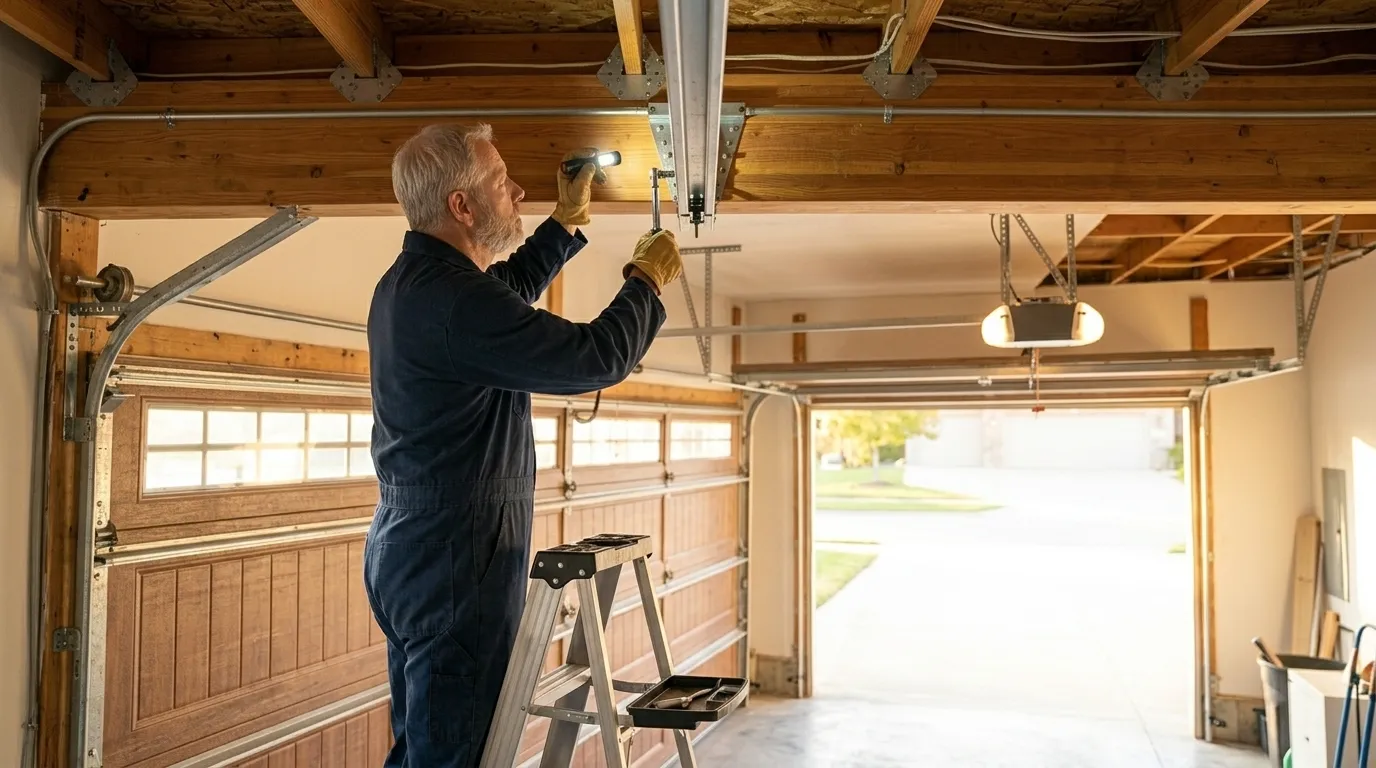
Before a tech even touches a tool, there's a short list worth running through yourself. Look at the springs above the door - surface rust or a visible gap in the coil means they're near the end. Watch the door travel: if it shudders, hesitates, or the two sides don't move evenly, the tracks or cables are out of alignment, common once a house passes the 20-year mark.
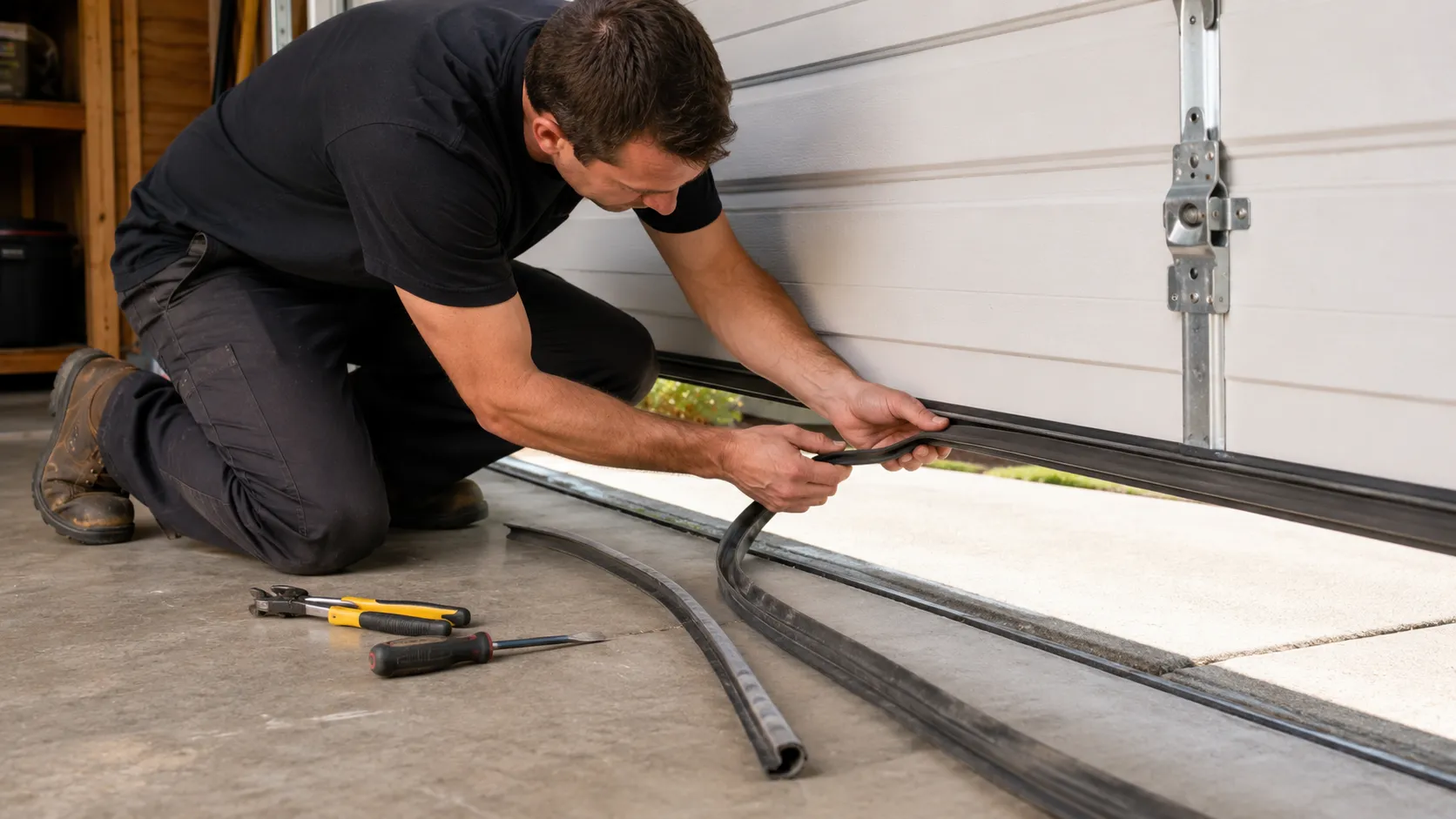
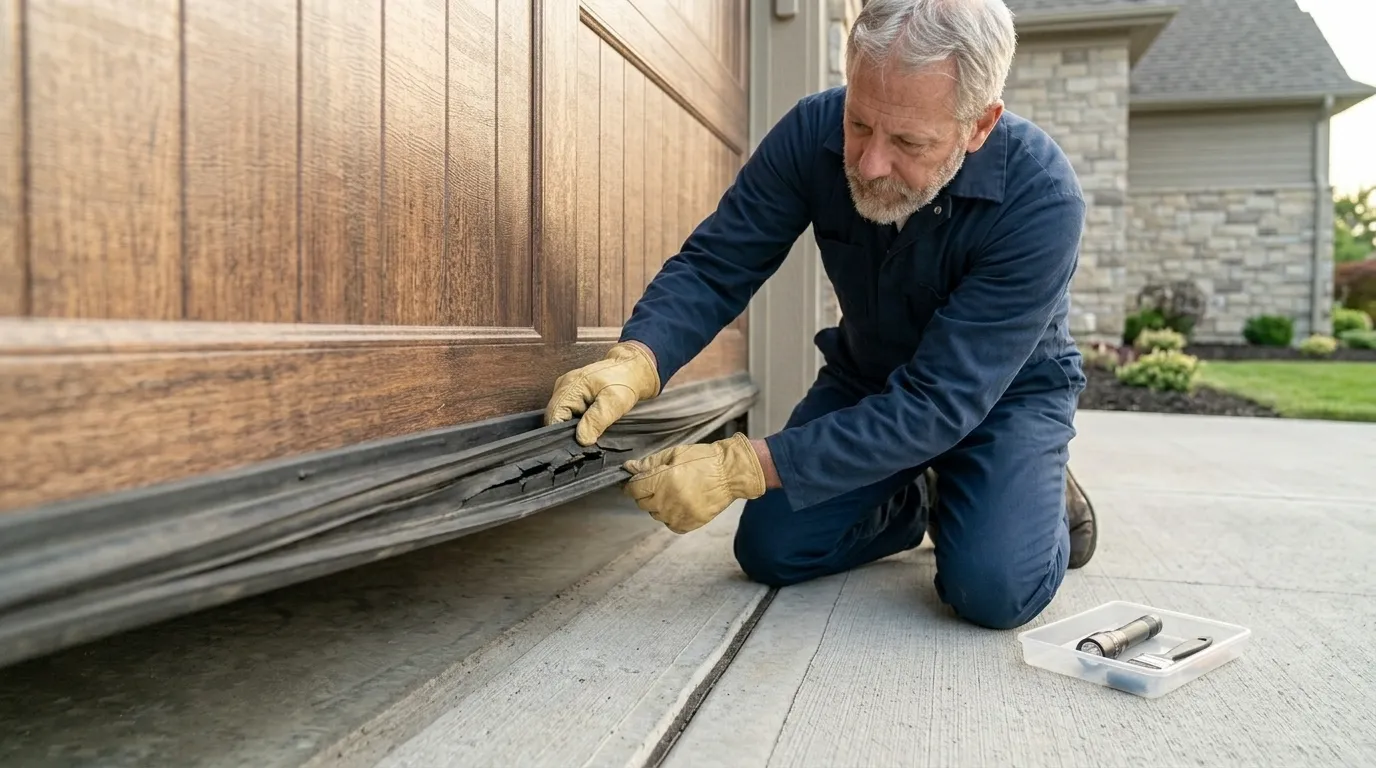
Check the opener's manufacture date on the motor housing; if it predates 2005, parts availability gets thin and a rebuild often costs more than a new unit. Feel the weatherstripping at the bottom panel - with 75,186 households and 48,014 owner-occupied houses in this area running mostly older stock, seal failure is one of the most common reasons doors let in cold air at the threshold. Listen for grinding on lift, which usually means a roller or bearing, not the opener itself.
None of this replaces a real inspection, but it tells you whether you're looking at a $20 part or a full spring or opener swap before the tech even arrives.
What Local Conditions Do
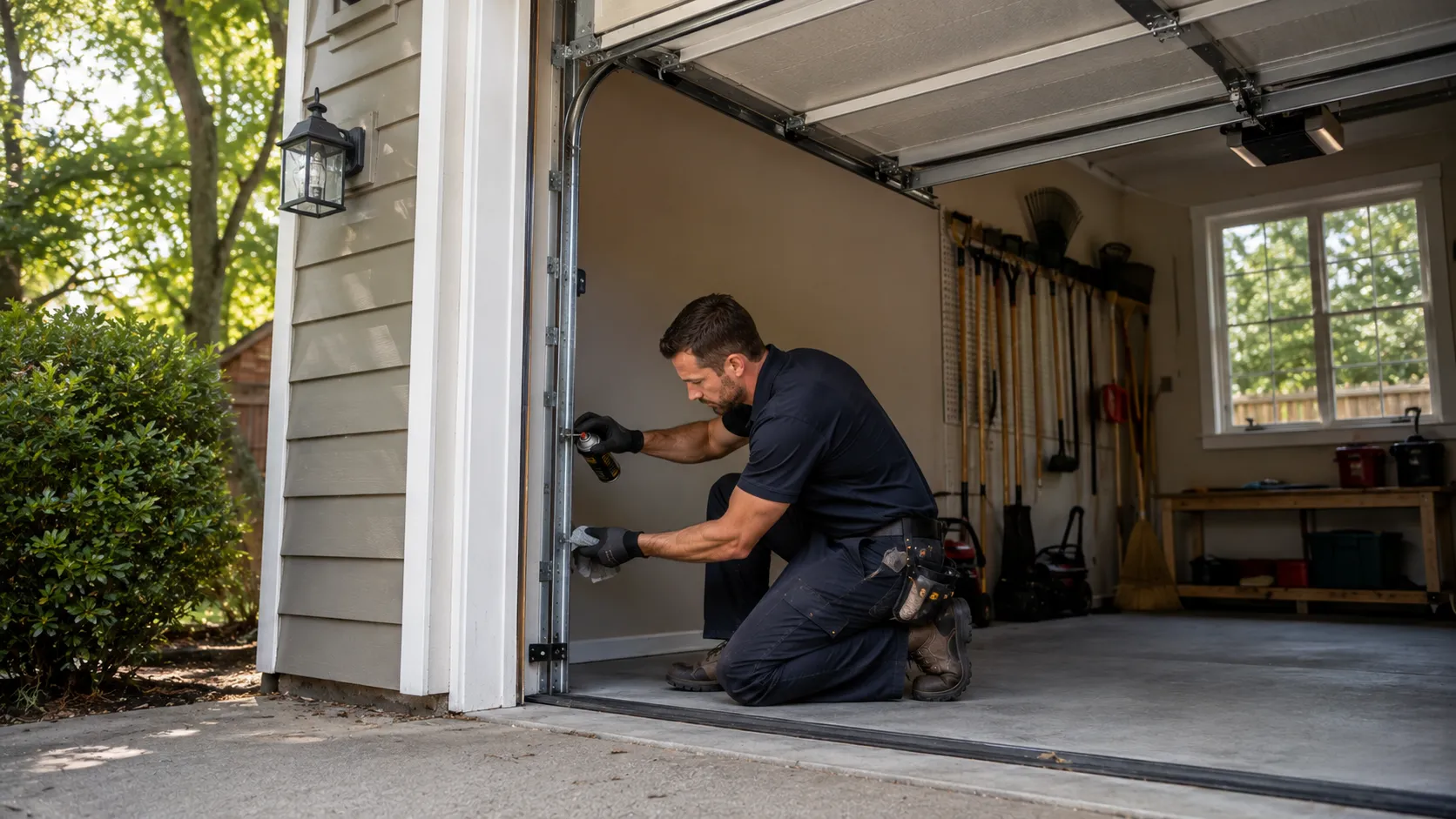
This area sits in a cold-moderate climate band, not the deep-freeze conditions that crack concrete slabs but enough seasonal swing to matter for steel and lubricant. Torsion springs lose a small amount of tension every time metal contracts in a cold snap, and openers with standard grease-based lubricant on the drive gear can bind or slow down on the coldest mornings of the year before things warm back up. It's not dramatic, but it's cumulative, and it shows up first in houses built in the 1980s and 90s stock that makes up most of this market - original hardware that's absorbed thirty-plus years of that cycle.
Humidity swings through the warmer months do the opposite: they swell wood-panel doors slightly and can tighten track clearance just enough to cause scraping. Neither extreme by itself, but together they're why a door that worked fine in April sometimes sticks in January, and why a tech checks lubricant type and track gap as a matter of routine rather than only when someone complains.
Season by Season
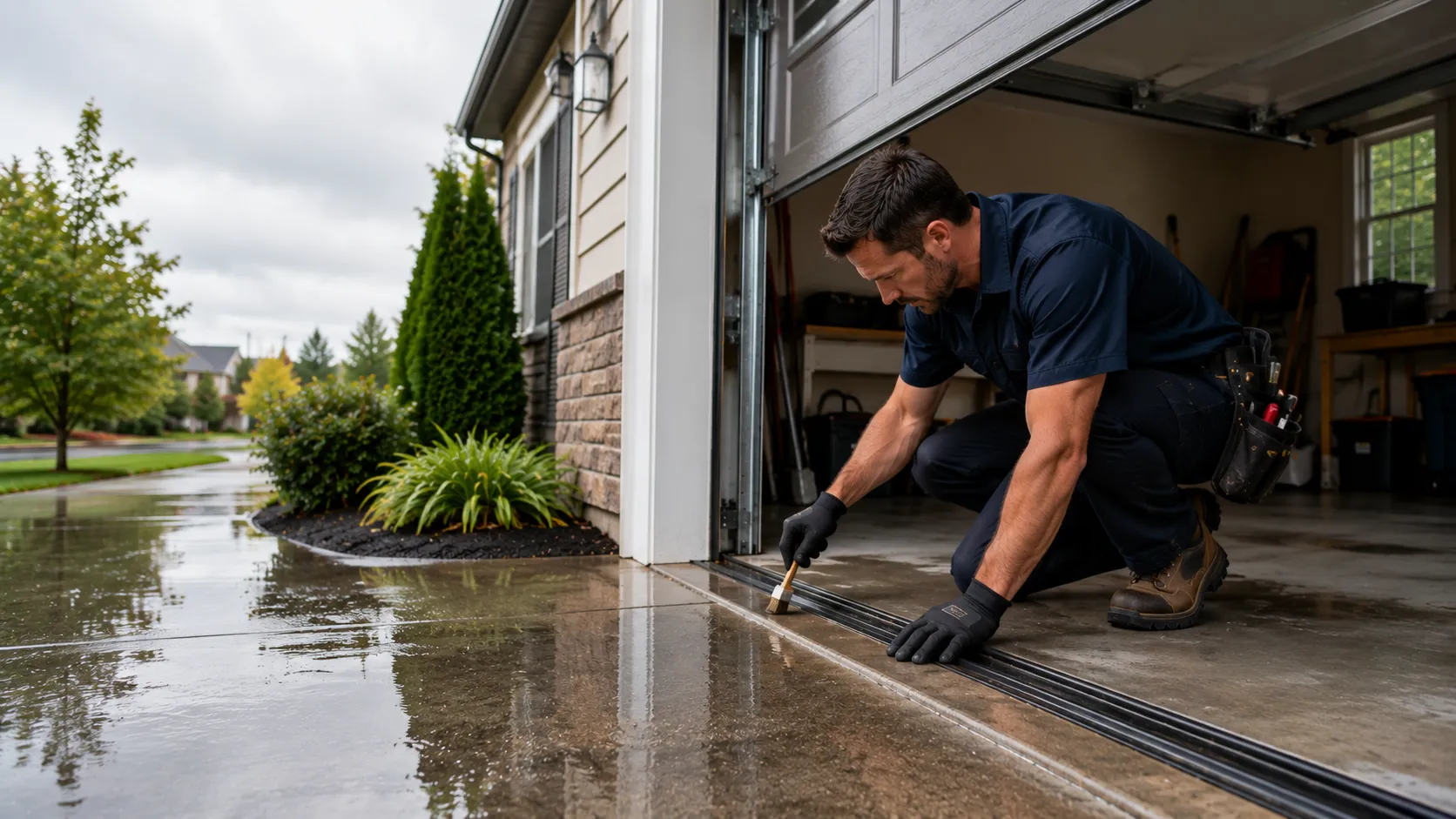
Late fall through winter is when cold-moderate conditions actually bite: springs lose a touch of tension, lubricant thickens, and older openers built into 1990s-era houses start showing hesitation on the first lift of the day. That's the season a tech spends more time on spring balance and opener force settings than anything else. Spring and early summer bring the opposite problem - humidity and heat expansion tighten tolerances, and doors that were fine in January start scraping the track.
Summer is also when garage temperatures climb enough to matter for openers mounted near unfinished attic space, common in this era of construction. A call taken near Mountain Island six miles southwest, or Davis Lake-Eastfield five miles southeast, gets the same seasonal checklist as one closer to the center of town - the hardware doesn't know which side of the service area it's on, only how old it is and what the last few months of weather did to it. One honest limitation: a tech can adjust and lubricate for seasonal swing, but a spring already near its cycle limit will fail on its own schedule, not the calendar's.
How We Can Help
Garage Door Repair
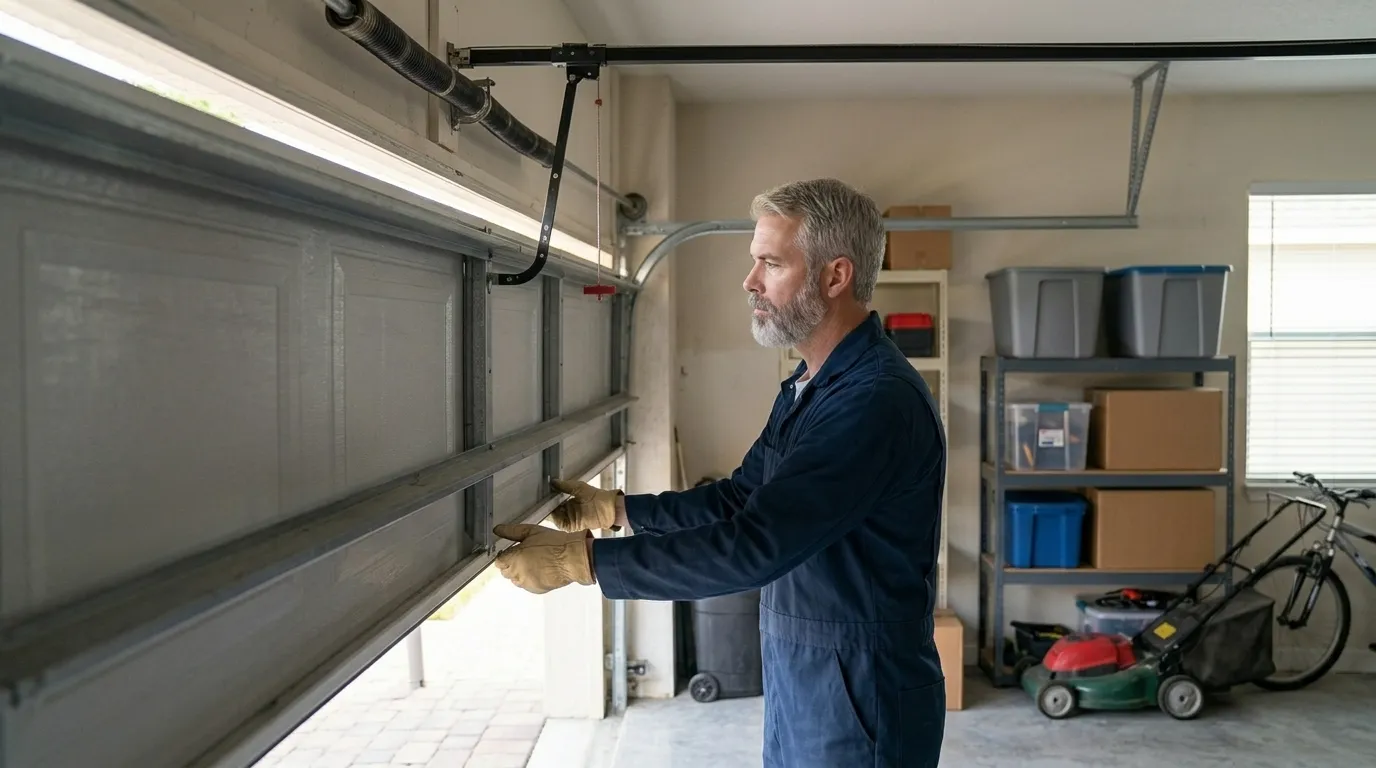
Springs, cables, tracks, rollers, and openers fixed by a tech who explains the problem before touching anything.
Learn more →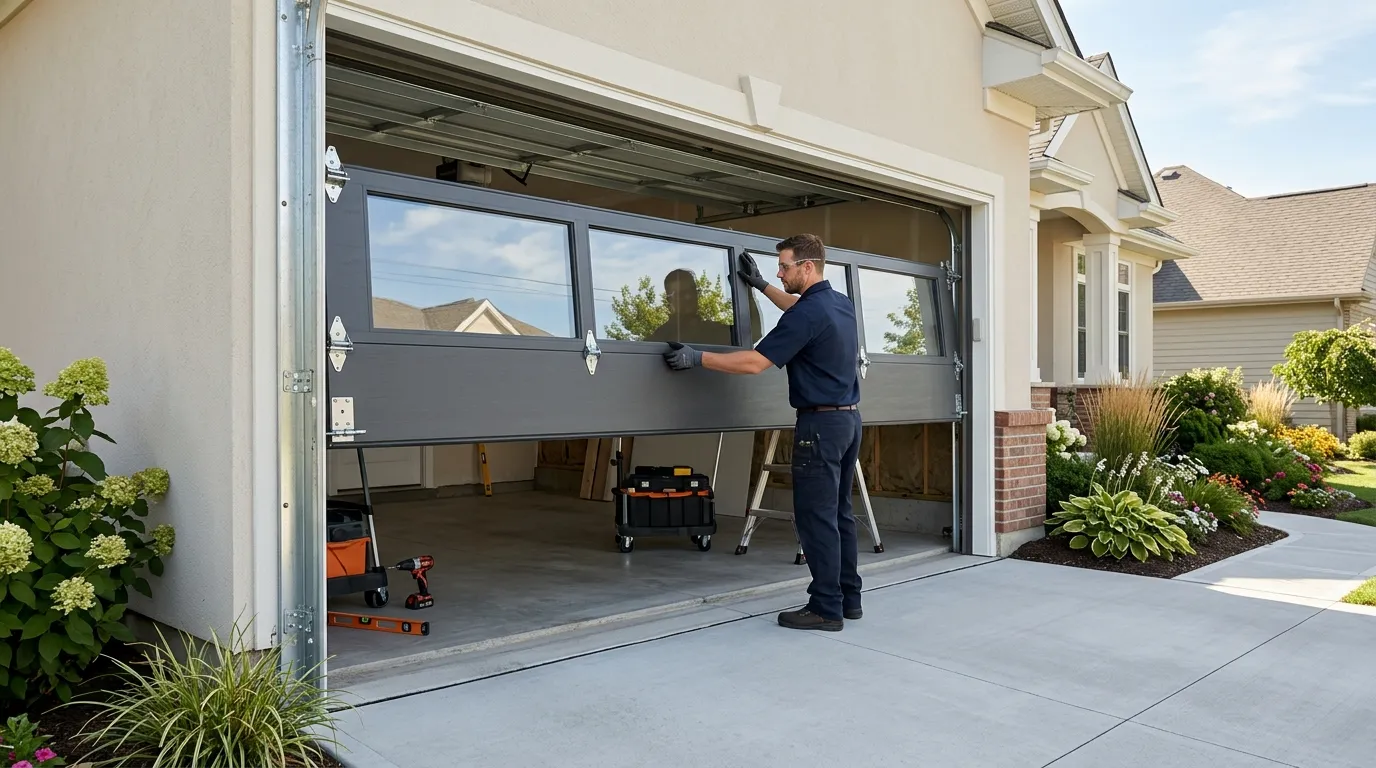
Garage Door Installation
New sectional doors sized and installed for the housing stock actually built in this area.
Learn more →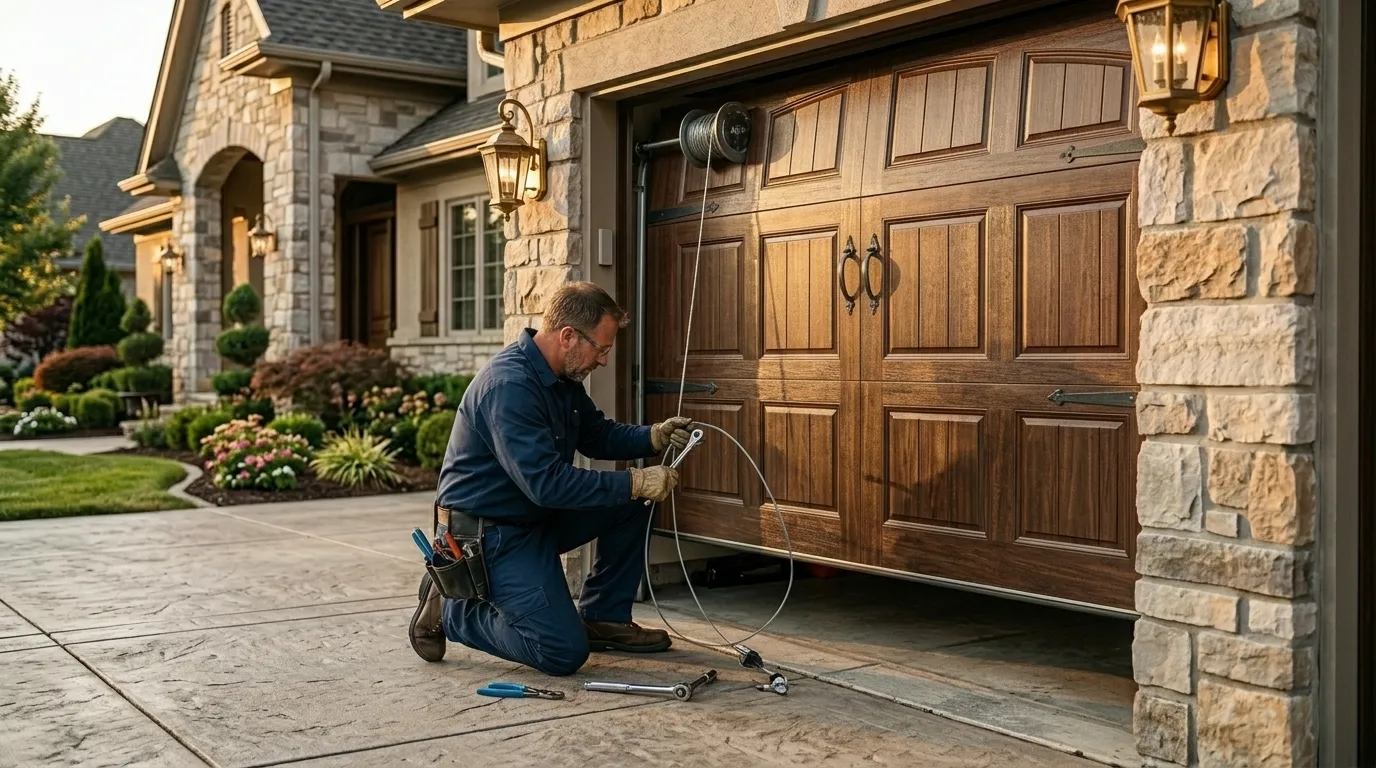
Garage Door Service
Tune-ups, lubrication, and safety checks that catch a small problem before it becomes a service call.
Learn more →Frequently Asked Questions
How old does my garage door opener have to be before it's worth replacing instead of fixing?
There's no fixed number, but with median housing here dating to 1997, a lot of openers are now over 25 years old. Once parts get hard to source or a rebuild approaches half the cost of a new unit, replacement usually wins. A tech can tell you which side of that line your unit falls on during the same visit.
Why does my door act up more in winter?
This area sits in a cold-moderate climate band. Cold mornings stiffen lubricant and cause slight steel contraction in torsion springs, which shows up as hesitation or extra strain on the first lift of the day. It's gradual wear, not damage from a single event.
Do older houses in this area have different hardware than newer ones?
Often yes. Housing here runs from 1967 to 2011, with most built in the 1980s and 90s, so a lot of systems still have original springs, tracks, or openers from that build era. A service call usually starts by identifying how old the actual hardware is, not just the house.
Is it worth repairing a spring or should I replace the whole system?
Depends on the door's age and how much else is worn. If the opener, rollers, and cables are all original alongside the spring, a single repair often just shifts the next failure a few months out. We'll tell you honestly if a full-system quote makes more sense than a patch job.
Have a Door That Needs a Second Opinion?
Call and describe what it is doing - we will tell you what it likely is.